The Benefits of Psychotherapy in a Tranquil Setting

Psychotherapy can be a transformative experience, offering individuals the opportunity to explore their thoughts, feelings, and behaviors in a safe and supportive environment. While the therapeutic process can be beneficial in various settings, the impact of a tranquil environment cannot be overstated. This blog post delves into the numerous benefits of engaging in psychotherapy within a serene and peaceful setting, highlighting how such an atmosphere can enhance the therapeutic experience.

Understanding Psychotherapy
Psychotherapy, often referred to as talk therapy, involves a range of techniques and approaches designed to help individuals address emotional, psychological, and behavioral challenges. It can take many forms, including cognitive-behavioral therapy, psychodynamic therapy, and humanistic therapy, among others. The primary goal is to foster self-awareness, promote personal growth, and facilitate healing.
The Role of Environment in Therapy
The environment in which therapy takes place plays a crucial role in the overall effectiveness of the treatment. A tranquil setting can significantly influence a client's comfort level, openness, and willingness to engage in the therapeutic process. Here are some key aspects of how a peaceful environment contributes to successful psychotherapy:
Reduced Anxiety: A calm and serene setting can help lower anxiety levels, making it easier for clients to express their thoughts and feelings without fear of judgment.
Enhanced Focus: In a tranquil environment, distractions are minimized, allowing clients to concentrate on their inner experiences and the therapeutic process.
Increased Comfort: A peaceful atmosphere can create a sense of safety and security, encouraging clients to be vulnerable and honest during sessions.
Benefits of Psychotherapy in a Tranquil Setting
1. Improved Emotional Regulation
Engaging in psychotherapy within a tranquil setting can lead to better emotional regulation. When clients feel relaxed and at ease, they are more likely to explore their emotions without becoming overwhelmed. This can be particularly beneficial for individuals dealing with anxiety, depression, or trauma.
For example, a client who struggles with anxiety may find it easier to discuss their fears and worries in a peaceful garden than in a sterile office environment. The natural surroundings can provide a calming influence, allowing them to process their emotions more effectively.
2. Enhanced Self-Reflection
A serene environment encourages deeper self-reflection. When clients are in a tranquil setting, they can take the time to think critically about their experiences, beliefs, and behaviors. This reflective process is essential for personal growth and can lead to valuable insights.
Consider a client who is grappling with relationship issues. In a peaceful setting, they may feel more inclined to reflect on their patterns of behavior and how these contribute to their challenges. This self-awareness can pave the way for healthier relationships in the future.
3. Strengthened Therapeutic Alliance
The therapeutic alliance, or the relationship between the therapist and client, is a critical factor in the success of psychotherapy. A tranquil setting can foster a stronger bond between the two parties. When clients feel comfortable and safe, they are more likely to trust their therapist and engage fully in the process.
For instance, a therapist who conducts sessions in a cozy, inviting space may find that clients are more open to sharing their thoughts and feelings. This openness can lead to deeper conversations and more effective treatment outcomes.
4. Greater Mindfulness
Mindfulness, the practice of being present in the moment, is a valuable skill that can be cultivated through psychotherapy. A tranquil setting can enhance mindfulness by providing a peaceful backdrop for clients to focus on their thoughts and feelings.
Imagine a client practicing mindfulness techniques during a session in a serene garden. The sounds of nature, the gentle breeze, and the beauty of the surroundings can help ground them in the present moment, making it easier to engage in mindfulness exercises.
5. Increased Motivation for Change
A peaceful environment can inspire clients to take action and make positive changes in their lives. When individuals feel relaxed and supported, they are more likely to set goals and work towards achieving them.
For example, a client who feels at ease in a tranquil setting may be more motivated to tackle difficult issues, such as addiction or unhealthy habits. The calming atmosphere can provide the encouragement they need to take the first steps toward change.
Creating a Tranquil Therapeutic Environment
Therapists can take several steps to create a tranquil environment for their clients. Here are some practical tips:
Choose the Right Location: Select a space that is quiet, comfortable, and free from distractions. Natural settings, such as gardens or parks, can be particularly effective.
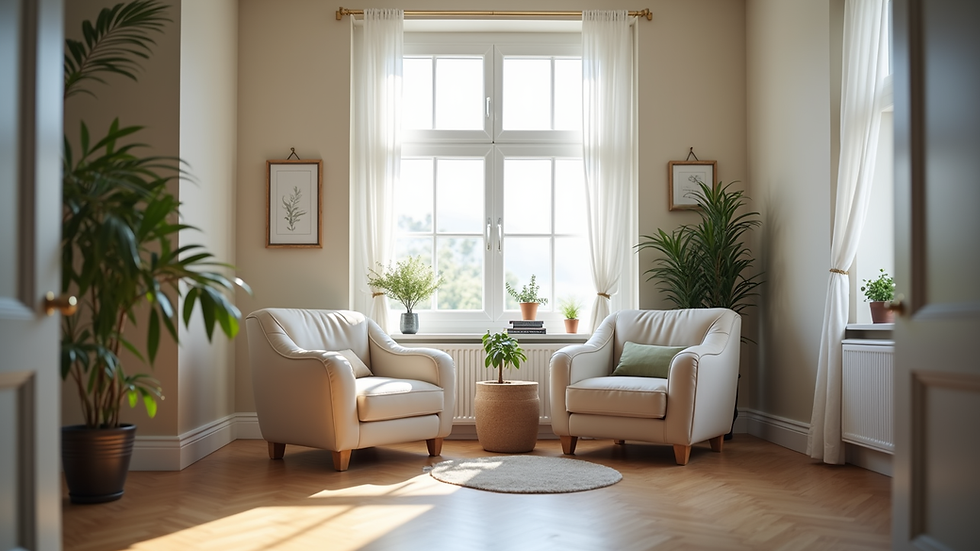
Incorporate Nature: Use plants, natural light, and calming colors to create a soothing atmosphere. The presence of nature can have a positive impact on mental well-being.
Minimize Clutter: A clean and organized space can help reduce anxiety and promote focus. Ensure that the therapy room is tidy and free from unnecessary distractions.
Use Soft Lighting: Bright, harsh lighting can be overwhelming. Opt for soft, warm lighting to create a calming ambiance.
Provide Comfortable Seating: Ensure that seating is comfortable and inviting. Clients should feel at ease during their sessions.
Conclusion
The benefits of psychotherapy in a tranquil setting are numerous and profound. From improved emotional regulation to enhanced self-reflection, a peaceful environment can significantly impact the therapeutic experience. By creating a serene atmosphere, therapists can foster trust, encourage mindfulness, and inspire clients to make meaningful changes in their lives.
If you are considering psychotherapy, seek out practitioners who prioritize a tranquil setting. Remember, the environment plays a vital role in your healing journey. Embrace the opportunity to explore your thoughts and feelings in a peaceful space, and take the first step toward a healthier, more fulfilling life.

Comments